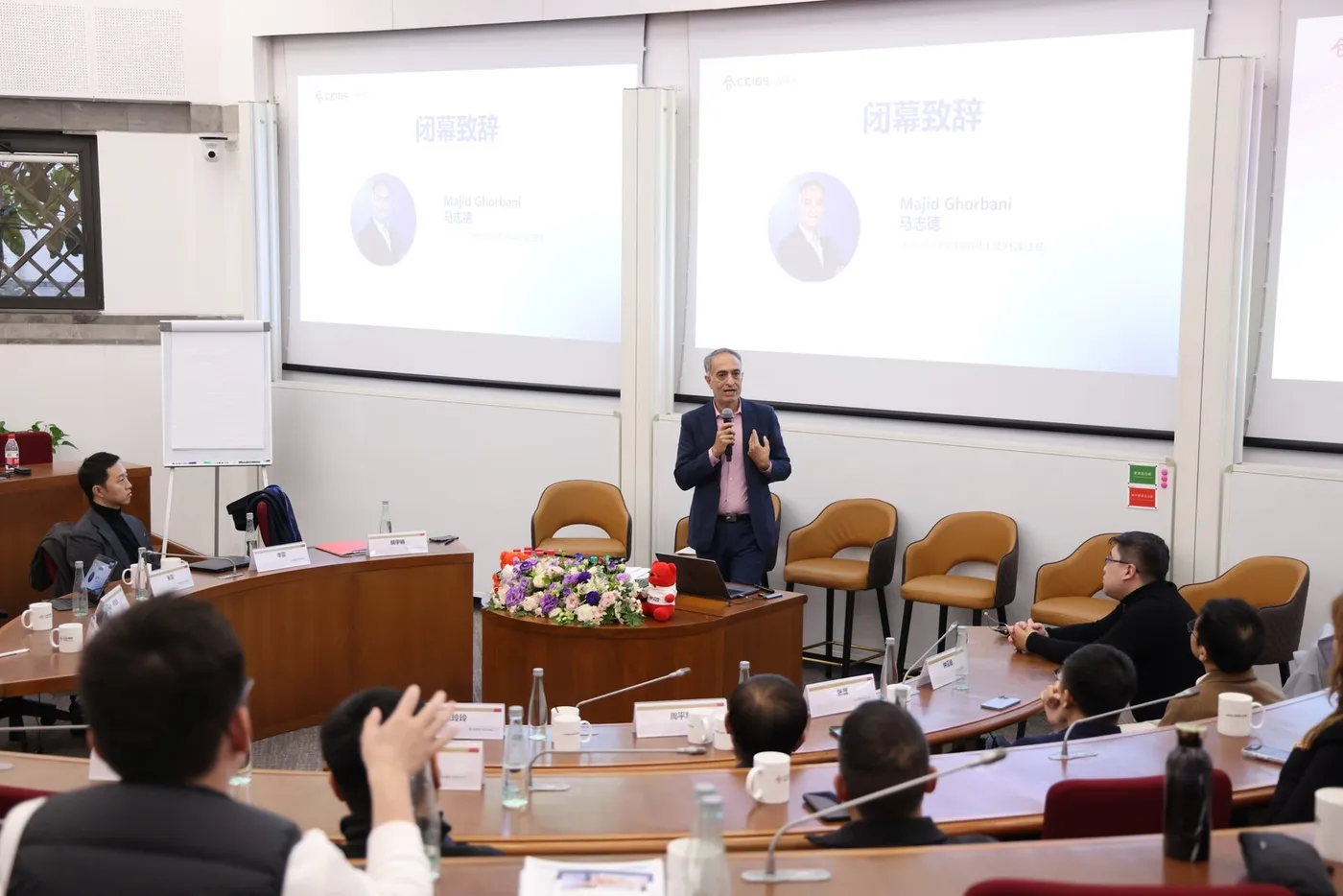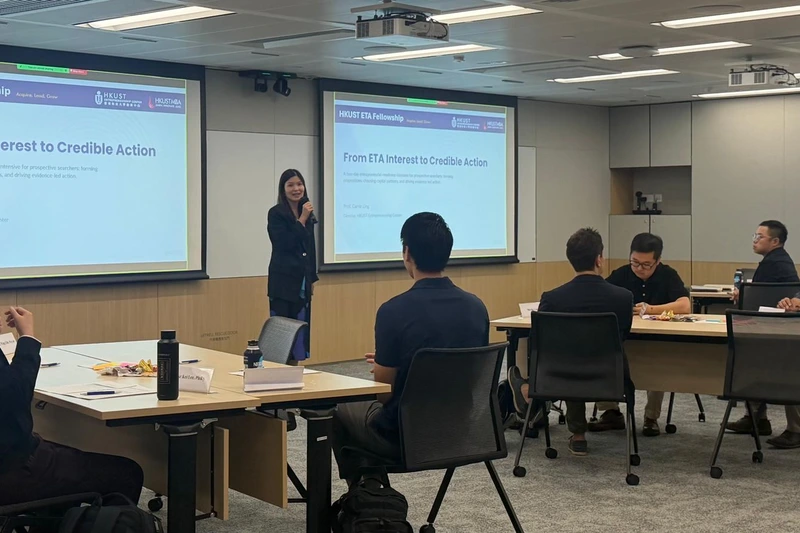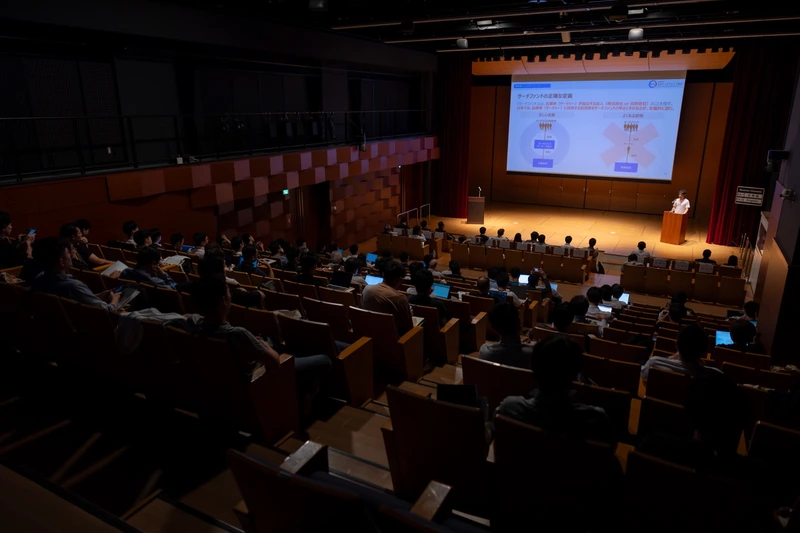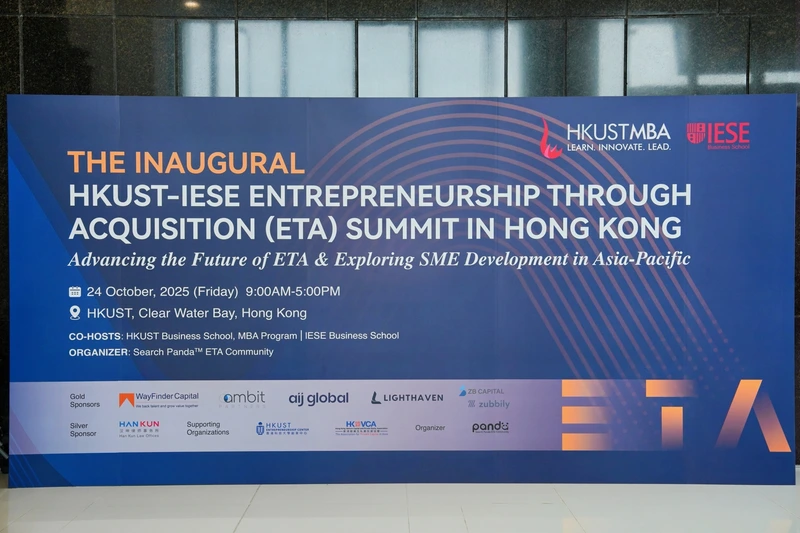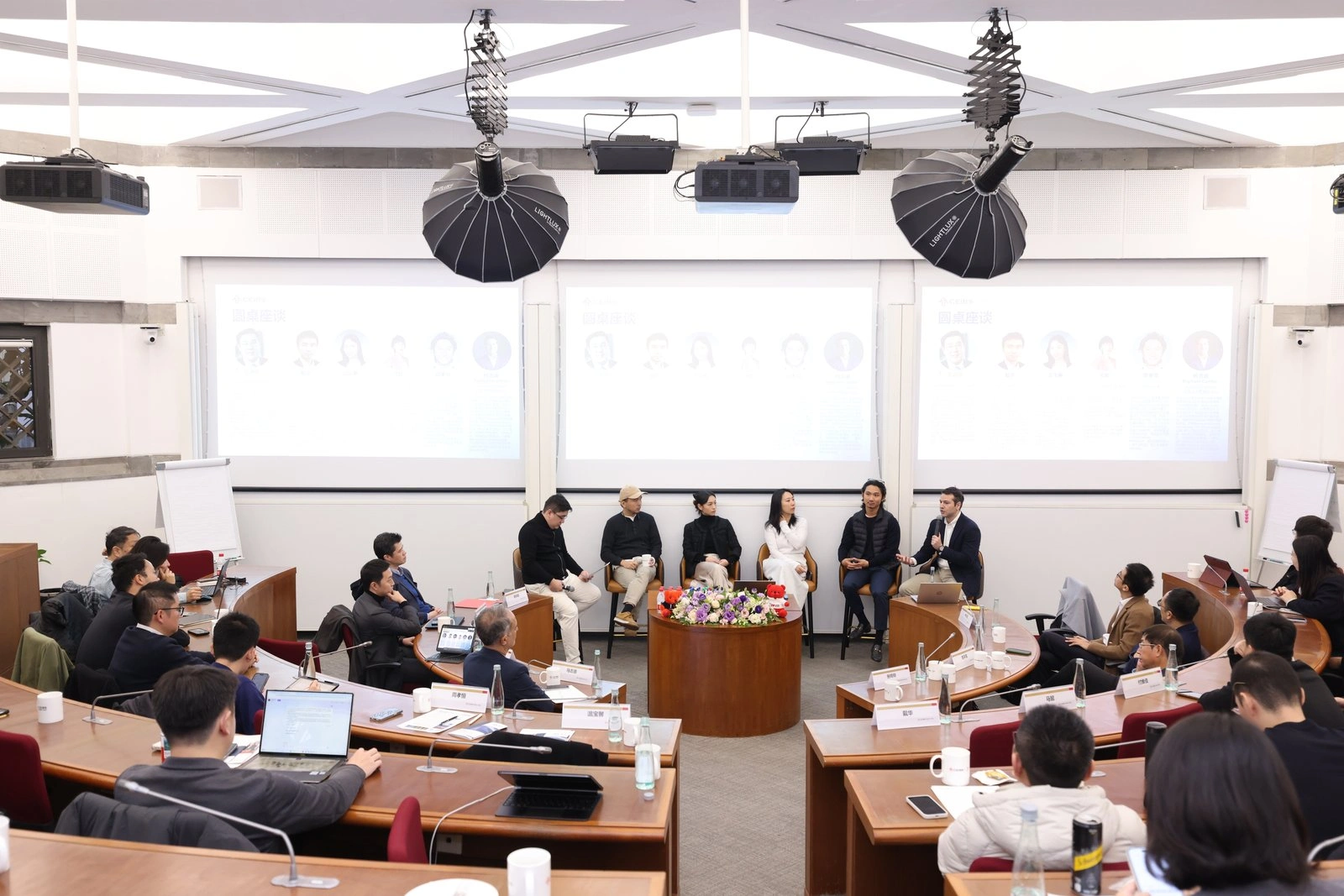
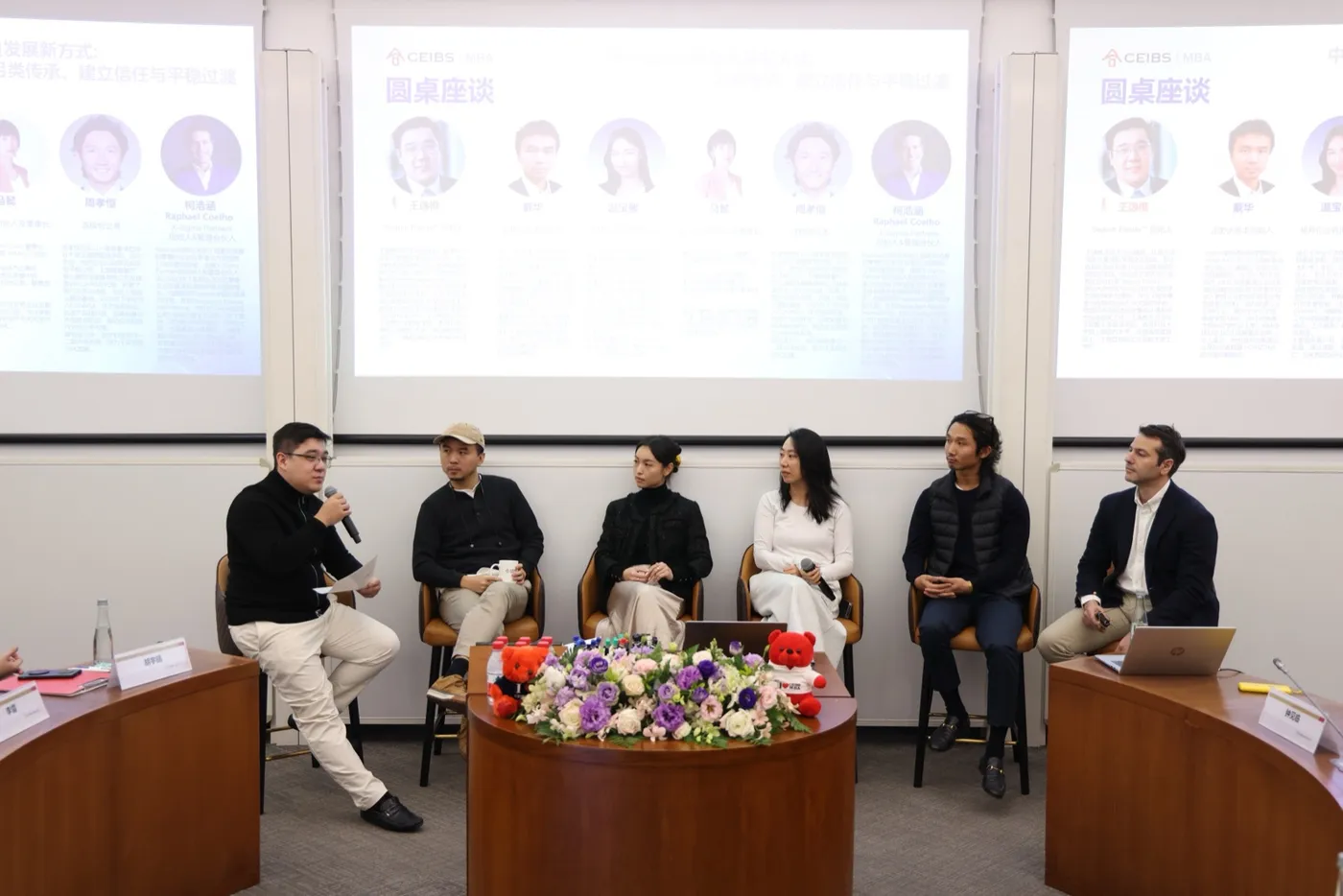
[Shanghai, December 13, 2025] — The CEIBS MBA Program hosted the 2025 SME M&A and Succession Roundtable at the China Europe International Business School in Shanghai. Search Panda™ organized the closed-door event.
Participants in the opening, keynote, and panel sessions included Lingling Zhang, CEIBS Associate Dean, MBA Programme Director, and Associate Professor of Marketing; Pingjun Zhou, former Deputy Director of the SME Development Promotion Center under China’s Ministry of Industry and Information Technology; and Majid Ghorbani, Professor of Management Practice at CEIBS.
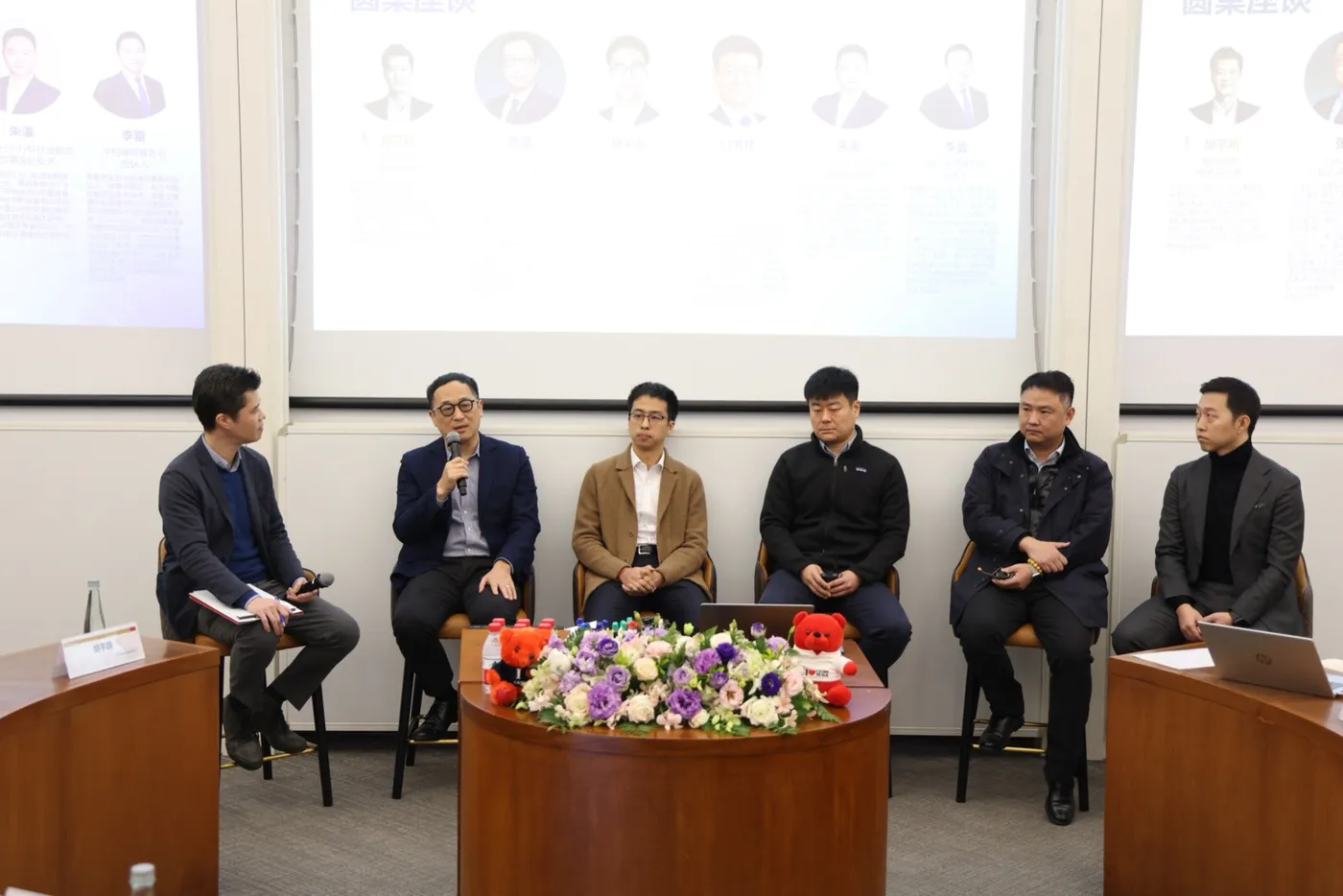
The first panel was moderated by Victor Wu, Founder of Prax Capital Search Fund. Panelists included Sheng Zhang, Founder and Global CEO of Virtue DX; Jianlin Zhong, Founder of XY Capital and former Investment Vice President at PAG; Weijia Fu, Founding Partner of New Chapter Ventures; Ying Zhu, Head of the Investment Funds Division in the Technology Finance Department at SPD Bank’s head office; and Lei Li, Partner at Zhong Lun Law Firm. The second panel was moderated by Leo Wang, Founder of Search Panda. Panelists included Clement Dai, Founder of MTX Partners; Layana Wen, Partner at MA-easy; Joyce Ma, Founder and Chair of Arcus42; Henry Zhou, a serial entrepreneur; and Raphael Coelho (Haohan Ke), Founder and Managing Partner of X-Sigma Partners.
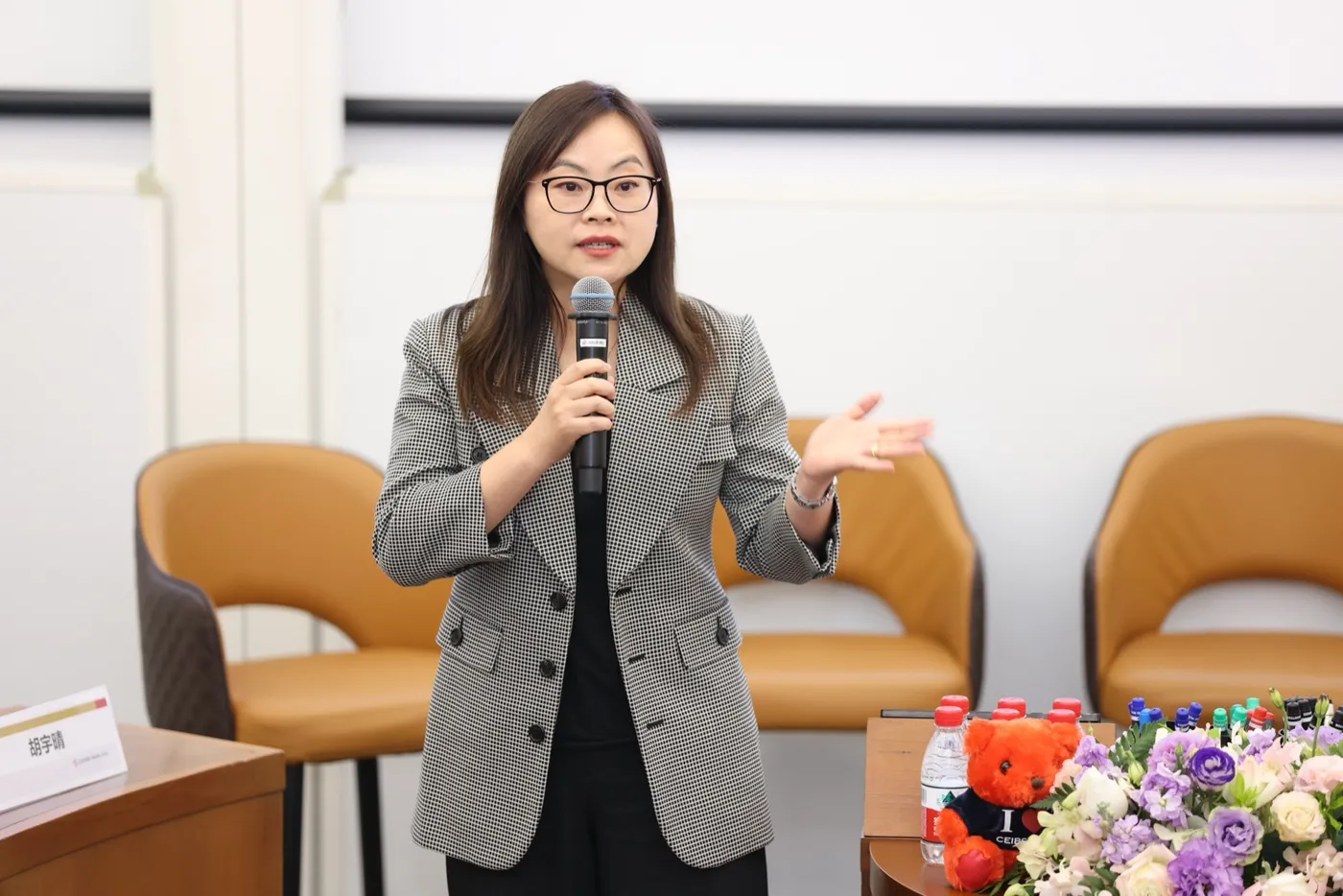
The opening and keynote sessions examined China’s changing SME environment, acquisitions and succession among specialized and innovative enterprises, and differences between the Chinese and US SME M&A markets. The discussion considered how longer capital exit cycles, shifts in operating conditions, and generational succession are converging around SMEs. In this context, acquisitions are increasingly relevant not only as capital transactions, but also as a way to preserve operating continuity, add industry capabilities, and identify a new generation of business operators.
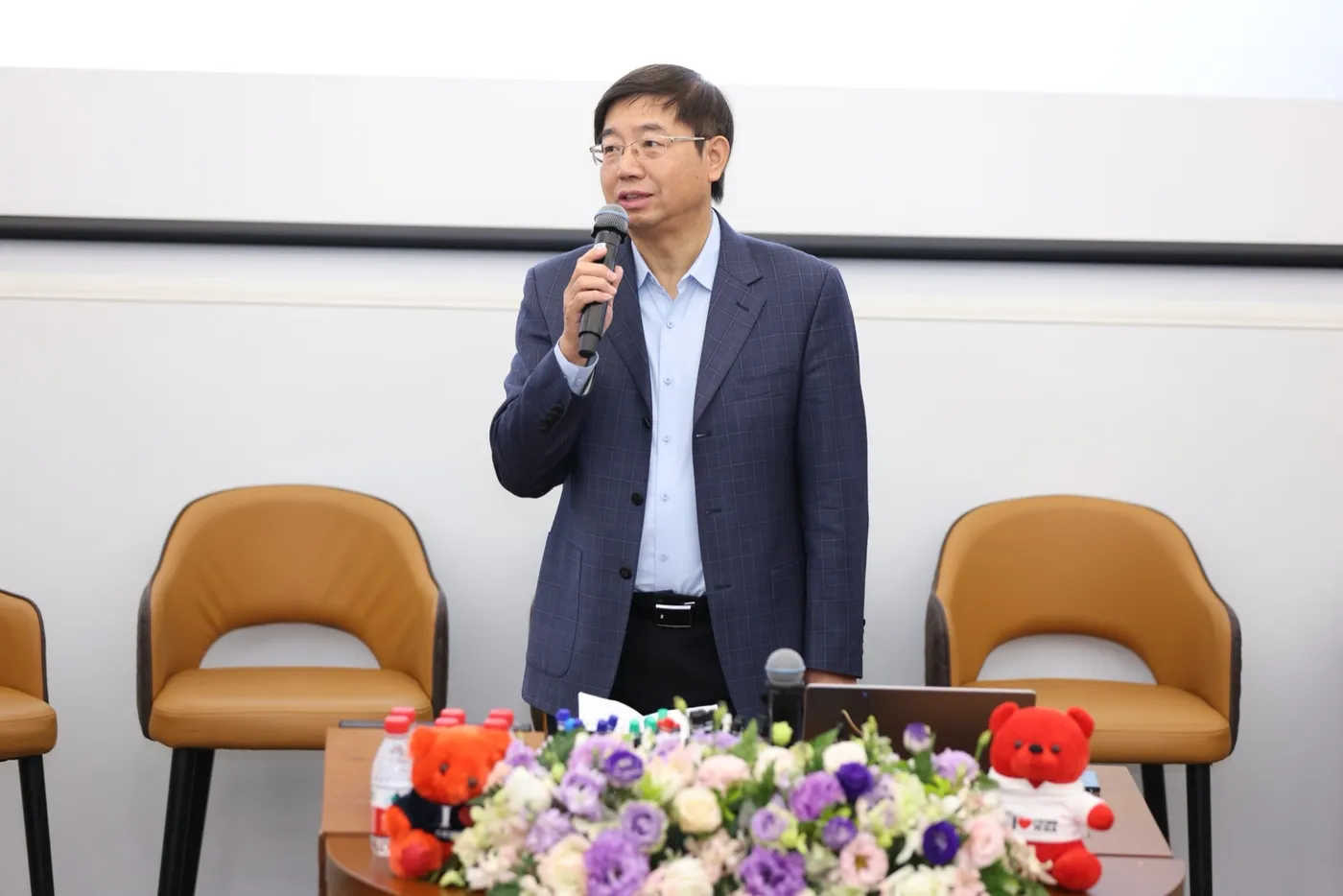
The roundtable also considered the role of entrepreneurship through acquisition (ETA). In ETA, an entrepreneur acquires an existing company, assumes ownership and primary operating responsibility, and builds value through long-term operations; a search fund is one established model within this broader path. The comparison of ETA with strategic acquisitions, financial buyouts, and family business succession centered not only on the source of acquisition capital, but also on who will assume responsibility for operations, integration, and transition after closing.
The first panel, “How Different Buyers Evaluate and Execute SME Acquisitions,” compared the approaches of strategic buyers, financial investors, operator-led buyers, lenders, and transaction advisors. Topics included strategic fit, business quality and cash flow, sources of debt repayment, intellectual property and corporate governance, employment matters, and cross-border security review. A recurring observation was that an SME cannot be assessed as a static asset separate from its employees and customer relationships. Due diligence, financing design, and post-acquisition integration therefore need to be considered together from an early stage.
The second panel, “Alternative Succession, Trust, and Continuity,” brought together business owners, next-generation family members, and buyers. The discussion covered gradual family succession, the creation of new profit centers alongside a core business, sales to strategic or financial buyers, and transitions to new owner-operators. It treated succession decisions as involving more than price alone: founders and families may also weigh team stability, company culture, business continuity, industry synergies, and the next generation’s individual choices. The operating arrangements offered by different buyers can therefore matter as much as valuation and transaction structure.
Across the sessions, one observation connected the different topics: both SME acquisitions and business succession involve the transfer of ownership, operating responsibility, and long-term accountability. Closing a transaction is only the beginning. A buyer’s ability to sustain operations, integrate the organization, and build trust will often shape whether the company moves successfully into its next stage. Strategic acquisitions, financial buyouts, family succession, and ETA each have different conditions for success, and companies must make choices based on their own strategy, industry environment, and succession objectives.